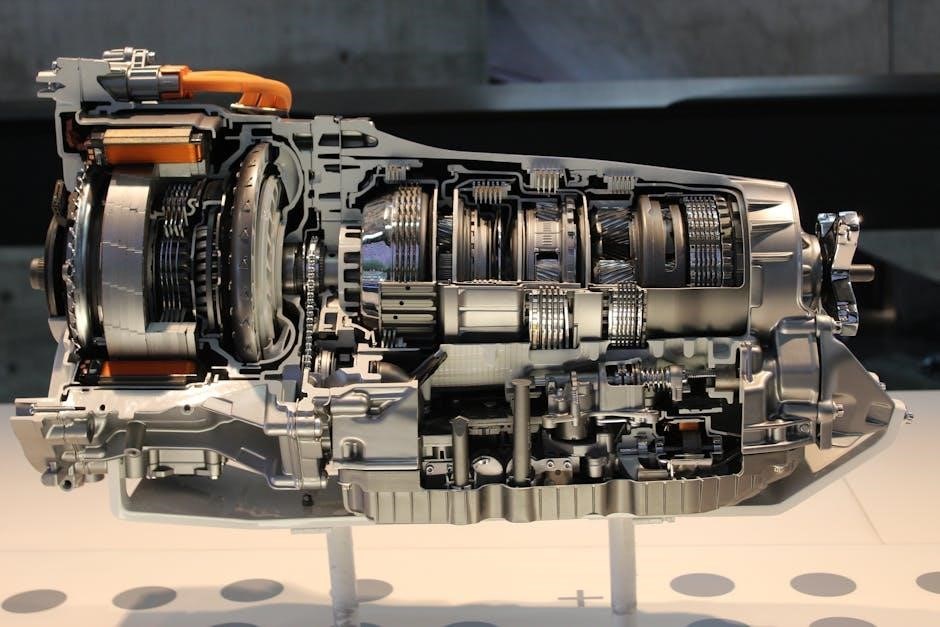
Engine torque specifications, often found in PDF manuals, are crucial for proper vehicle maintenance. These documents detail precise fastener tightening values for optimal engine performance and longevity.
What are Engine Torque Specifications?
Engine torque specifications, readily available in PDF format for numerous vehicle makes and models, represent the precise amount of force applied to fasteners – bolts and nuts – during assembly or repair. These specifications aren’t arbitrary; they’re meticulously calculated by engineers to ensure components are securely held together without being overstressed.
A PDF manual detailing these specs will list values in various units (Nm, kgfcm, ft-lbf) for each fastener, often categorized by engine part like cylinder heads or driveline components. Following these guidelines prevents thread stripping, component failure, and potential oil leaks, ultimately safeguarding engine integrity and performance.
Why are Accurate Torque Specs Important?
Utilizing accurate engine torque specifications, often detailed in comprehensive PDF service manuals, is paramount for reliable engine operation. Incorrect torque – whether too loose or too tight – can lead to catastrophic consequences. Under-torquing risks component separation and oil leaks, while over-torquing can strip threads or even fracture parts.

PDF resources emphasize that precise tightening ensures proper gasket compression, vital for sealing fluids and combustion gases. Adhering to these specs, found within vehicle-specific PDFs, maintains optimal engine performance, extends component lifespan, and prevents costly repairs stemming from improper assembly.
Types of Engine Torque Specifications
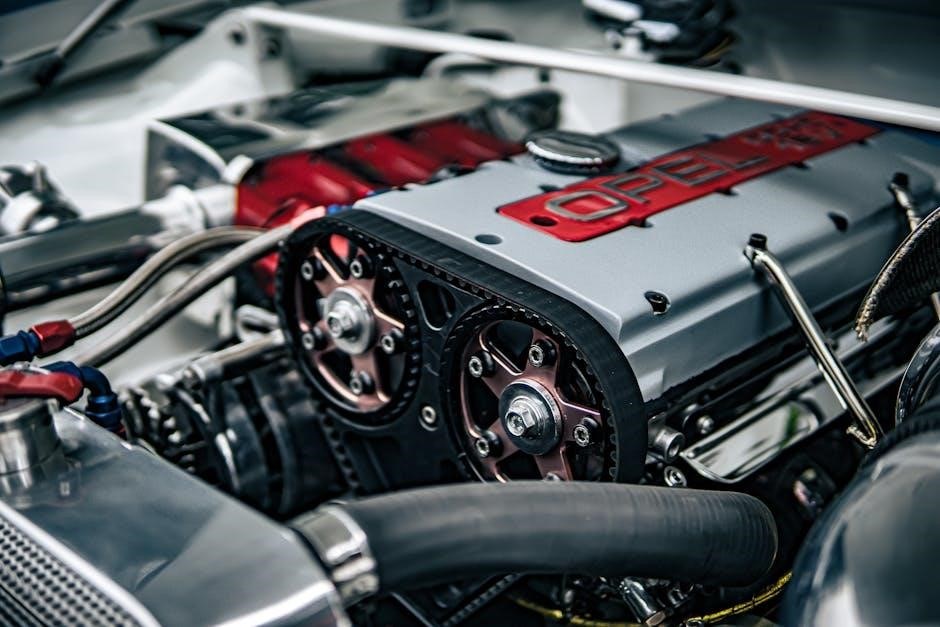
Engine torque specifications, detailed in PDF manuals, vary by component. Common types include cylinder head, main bolts, driveline, and engine block torque values.
Cylinder Head Torque Specifications
Cylinder head torque specifications, readily available in comprehensive PDF service manuals, are paramount for maintaining proper engine compression and preventing gasket failures. These specifications outline precise tightening sequences and values, often employing multiple passes with decreasing torque.
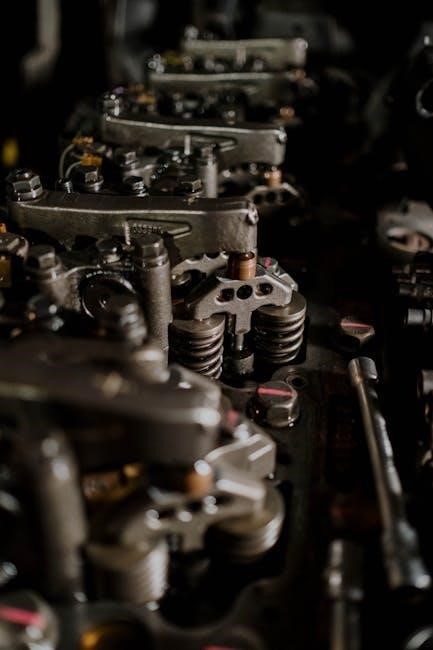
A 2014 PDF document details these specs for domestic and imported vehicles, emphasizing accuracy. Incorrect torque can lead to warped heads or blown head gaskets. The PDFs typically list torque values in Newton meters (Nm), kilogram-force centimeters (kgfcm), and foot-pounds (ft-lbf), catering to diverse user preferences and tool availability. Always consult the vehicle-specific manual for the correct procedure.
Main Bolt Torque Specifications
Main bolt torque specifications, detailed within engine repair PDFs, are critical for maintaining the structural integrity of the engine block. These bolts secure the main bearing caps, directly impacting crankshaft alignment and bearing life.
Precise tightening, often utilizing a torque wrench and specific sequence, is essential. The IO-550 Permold Series Engine Maintenance PDF highlights the importance of referencing manufacturer instructions for these values. Incorrect torque can cause bearing failure or crankshaft damage. PDFs usually provide specifications in multiple units, ensuring compatibility with various tools.
Driveline Component Torque Specifications
Driveline component torque specifications, readily available in vehicle service PDFs, ensure proper transmission and differential function. These values cover bolts securing the driveshaft, axles, and related hardware.
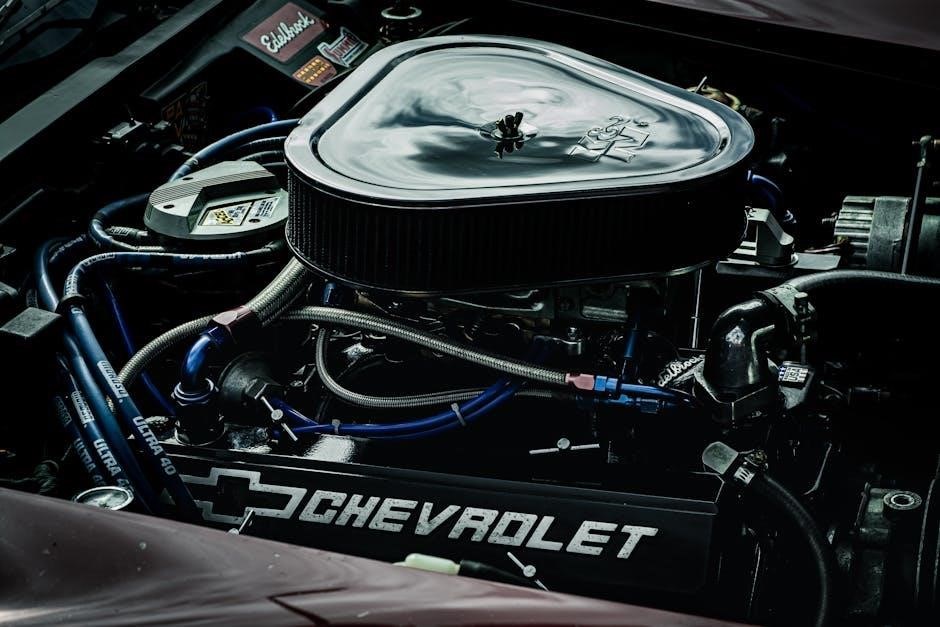
The 2004 Chevrolet Corvette service manual PDF, for example, lists specific torque values for driveline close-out panel bolts (15 lb ft) and support bolts (37 lb ft). Accurate tightening prevents vibrations, noise, and potential component failure. Always consult the appropriate PDF for your vehicle model to guarantee correct specifications.
Engine Block Torque Specifications
Engine block torque specifications, detailed in comprehensive service PDF manuals, are paramount for maintaining structural integrity. These values dictate the correct tightening force for main bolts, coolant drain plugs, and other critical fasteners.
The 2004 Chevrolet Corvette PDF service manual specifies torque for engine block coolant drain plugs. Proper torque prevents leaks and ensures adequate cooling system performance. Referencing the correct PDF document, specific to your engine, is vital for avoiding damage and ensuring reliable operation.
Finding Engine Torque Specifications
Engine torque specifications are readily available in PDF format through vehicle service manuals, online databases, and dedicated resources for domestic and imported cars.
Using PDF Manuals for Torque Specs
PDF manuals represent a primary source for accurate engine torque specifications. Comprehensive guides, like those for the Continental IO-550 or covering domestic/imported passenger vehicles, contain detailed tables listing fastener torque values.
These manuals often specify torque in multiple units – Newton meters (Nm), kilogram-force centimeters (kgfcm), and foot-pounds (ft-lbf) – offering flexibility. Locating the correct PDF for your specific engine model and year is vital.
Always prioritize manufacturer-provided PDFs or reputable service manuals, as they ensure the most reliable and precise torque data for optimal engine assembly and maintenance. Careful review of these documents prevents potential damage.
Online Databases and Resources
While PDF manuals are preferred, several online databases offer engine torque specifications. However, verifying the source’s credibility is paramount. Many websites compile data, but accuracy can vary significantly.
These resources can supplement PDF documentation, offering quick access to information, but should not replace official manuals. Searching for specific engine codes (like Toyota’s 1GR-FE) often yields results.
Remember to cross-reference any online data with a trusted PDF manual whenever possible to ensure the torque values are correct for your vehicle and application, preventing potential issues.
Vehicle-Specific Service Manuals
Vehicle-specific service manuals, often available as PDF downloads, represent the gold standard for engine torque specifications. These manuals, like the 2004 Chevrolet Corvette service manual (Document ID: 1275636), are created by the manufacturer and detail precise values for every fastener.
Unlike generalized databases, these manuals account for specific engine variations and model years. They provide detailed torque sequences and patterns, crucial for preventing damage. Accessing these PDFs ensures you’re using the correct specifications, safeguarding engine integrity and performance.
Units of Measurement for Torque
Engine torque specifications are commonly expressed in Newton Meters (Nm), Kilogram-Force Centimeters (kgfcm), and Foot-Pounds (ft-lbf), as detailed in PDF guides.
Newton Meters (Nm)
Newton Meters (Nm) represent the metric standard for measuring rotational force, frequently utilized in modern engine torque specifications detailed within PDF service manuals. One Newton Meter is defined as the force required to rotate an object with a radius of one meter using a force of one Newton.
Many PDF documents, particularly those for imported vehicles and newer domestic models, prominently feature Nm values. Converting between units is essential; understanding Nm is vital for technicians working with global automotive standards. Accurate application, guided by PDF torque charts, ensures proper clamping force and prevents component damage.
Kilogram-Force Centimeters (kgfcm)
Kilogram-Force Centimeters (kgfcm) is another unit for expressing torque, commonly found in older engine torque specifications and within some PDF manuals, particularly those originating from Japanese manufacturers. It represents the force exerted by one kilogram mass at a distance of one centimeter from the axis of rotation.
While less prevalent in newer documentation, understanding kgfcm is crucial when working on older vehicles. Many PDF resources for classic cars will list torque values in this unit. Conversion to Nm or ft-lbf is often necessary for technicians accustomed to other systems, ensuring accurate tightening as detailed in the PDF.

Foot-Pounds (ft-lbf)
Foot-Pounds (ft-lbf) is a widely recognized unit for measuring torque, frequently encountered in engine torque specifications and readily available in numerous PDF manuals, especially those for American-made vehicles. It signifies the force required to rotate an object using a one-foot lever with a one-pound weight applied at the end.
Many PDF service manuals, like the 2004 Chevrolet Corvette manual, prominently feature ft-lbf for specifying fastener tightness. Technicians familiar with this system can directly apply these values. Accurate conversion from other units, found within some PDFs, is vital for consistent and reliable results.
Torque Sequence and Patterns
Engine torque specifications PDF guides emphasize proper tightening order. Following prescribed sequences—cross or spiral—ensures even pressure and prevents warping or distortion.
Importance of Torque Sequence
Engine torque specifications, detailed in PDF service manuals, aren’t just about the amount of force, but how it’s applied. A correct torque sequence is paramount for maintaining structural integrity. Randomly tightening bolts can lead to uneven stress distribution, potentially warping components like cylinder heads or engine blocks.
Following a specified pattern – often a cross or spiral – gradually and uniformly compresses gaskets, creating a reliable seal. This prevents oil leaks and ensures proper component alignment. Ignoring the sequence can result in incomplete sealing, fastener failure, or even catastrophic engine damage. Always consult the PDF for the precise order!
Common Torque Patterns (Cross, Spiral)
Engine torque specifications, readily available in PDF service manuals, frequently dictate specific tightening patterns. Two prevalent methods are the cross and spiral patterns. The cross pattern involves tightening bolts in opposing pairs, working from the center outwards, ensuring even pressure distribution.
Spiral patterns begin at one corner and progressively tighten bolts in a circular, outward motion. Both methods minimize distortion and promote uniform gasket compression. PDF guides often illustrate these patterns visually. Adhering to the correct pattern, as outlined in the PDF, is vital for preventing warping and ensuring a secure, leak-free assembly.
Specific Engine Examples
Engine torque specifications, detailed in PDF resources, vary significantly by model. Examples include Toyota 1GR-FE, Chevrolet Corvette (2004), and Continental IO-550 engines.
Toyota 1GR-FE Engine Torque Specs
PDF documents dedicated to the Toyota 1GR-FE engine provide extensive torque specifications for numerous components. These specifications are presented in Newton meters (Nm), kilogram-force centimeters (kgfcm), and foot-pounds (ft-lbf), offering versatility for technicians.
The PDF lists over 50 specific engine parts, detailing the recommended tightening torque for each fastener. This includes values for belts, pulleys, brackets, and various bolts securing engine components. Accurate adherence to these torque specs is vital for preventing damage and ensuring optimal engine function. Accessing the complete PDF ensures a comprehensive understanding of the 1GR-FE’s fastening requirements.
Chevrolet Corvette (2004) Torque Specs
The 2004 Chevrolet Corvette service manual, often available as a PDF, contains detailed torque specifications for various components. These specifications are presented in both metric and English units, providing flexibility for mechanics. The PDF outlines specific values for driveline components, including close-out panel bolts (15 lb ft) and support bolts (106 lb in).
Notably, the PDF specifies a torque of 37 lb ft for driveline support plugs. Accessing the complete PDF document is crucial for ensuring accurate tightening and preventing potential issues like stripped threads or component failure during Corvette maintenance.
Continental IO-550 Engine Torque Specs
The IO-550 Permold Series Engine Maintenance and Overhaul Manual, frequently distributed as a PDF, is the primary resource for torque specifications. This PDF details fastener tightening values for Continental Motors aircraft engines. It’s vital to consult this manual, as it provides specific torque values for engine hardware.
However, the PDF emphasizes referencing the appropriate manufacturer’s instructions for airframe or engine accessory torque. The manual itself contains tables listing these values, ensuring proper assembly and maintenance. Always prioritize the PDF’s guidance for reliable engine operation.
Historical Torque Specification Resources
Engine torque specifications were historically documented in printed manuals, like the 1964 P.A. Sturtevant Co. booklet, now often available as a PDF.
Vintage P.A. Sturtevant Co. Manuals
P.A. Sturtevant Co. produced valuable engine torque specification booklets, notably a 1964 edition, which are now sought-after resources. These vintage manuals, frequently digitized and available as PDF files, offer a glimpse into historical automotive repair practices.
The 51-page manual features a clean interior, though covers may show light shop wear, reflecting their practical use. These booklets provided mechanics with essential tightening values, ensuring proper assembly and preventing component failure. Finding these PDF versions allows modern enthusiasts access to this legacy of automotive knowledge.
Early Engine Specification Books
Prior to widespread digital access, mechanics relied on printed engine specification books to find critical torque specifications. These resources, now often scanned and distributed as PDF documents, were essential for accurate engine assembly and repair. They contained detailed tables outlining fastener tightening values for various engine components.
These early books, predating standardized databases, represented a significant investment for workshops. Accessing these historical PDF versions provides valuable insight into the evolution of automotive engineering and repair techniques, showcasing the importance of precise torque control from the beginning.
Tools for Accurate Torque Application
Torque wrenches, both clicker and digital types, are vital for applying engine torque specifications found in PDF manuals, ensuring precise fastener tightening.
Torque Wrenches (Clicker, Digital)
Torque wrenches are indispensable tools when adhering to engine torque specifications detailed in PDF manuals. Clicker torque wrenches offer an audible and tactile “click” upon reaching the set torque, providing a simple, reliable method.
Digital torque wrenches, however, provide greater precision, displaying the applied torque on a digital screen and often featuring audible alerts. They can store multiple settings and convert units. Selecting the correct wrench depends on the application and desired accuracy. Always calibrate wrenches regularly to maintain reliability when referencing PDF guides.
Torque Adapters and Extensions
When accessing engine torque specifications from a PDF manual, remember that adapters and extensions can impact accuracy. These tools are sometimes necessary to reach fasteners in confined spaces, but they introduce potential errors.
Using a quality torque adapter allows for torque application with limited access. Extensions should be as short as possible and of high quality to minimize flex. Always account for the adapter/extension’s effect on the final torque value, consulting the tool’s documentation or a reliable PDF resource for correction factors.
Potential Issues with Incorrect Torque
Engine torque specifications, detailed in PDF guides, when ignored, can lead to stripped threads, component failure, and oil leaks, compromising engine integrity.
Stripped Threads
Stripped threads represent a significant consequence of improperly applied torque, as detailed in many engine torque specifications PDF guides. Over-tightening a fastener stretches and weakens the threads within the engine block or component, ultimately causing them to fail.
This damage necessitates costly repairs, potentially involving thread repair kits (like Heli-Coil) or, in severe cases, complete component replacement. Conversely, under-tightening doesn’t adequately clamp parts together, leading to loosening and eventual thread damage from vibration.
Always consult the correct PDF for your engine to avoid this issue, ensuring the fastener is tightened to the manufacturer’s precise specification.
Component Failure
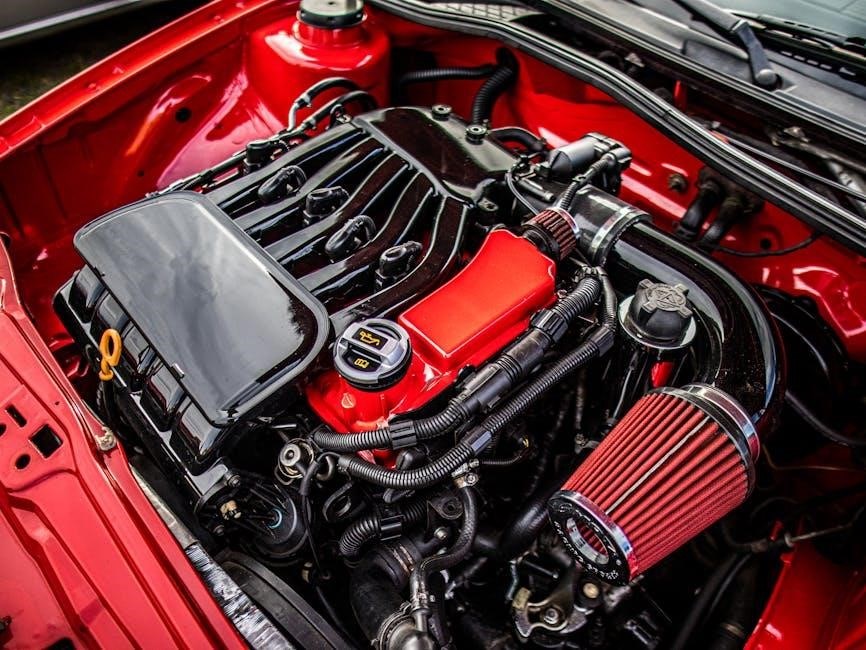
Incorrect torque, as outlined in engine torque specifications PDF documents, can precipitate catastrophic component failure. Excessive torque stresses parts beyond their design limits, leading to cracking or fracturing – particularly in components like cylinder heads and connecting rods.
Insufficient torque allows movement and vibration, accelerating wear and tear and ultimately causing premature failure. These failures can range from reduced engine performance to complete engine seizure.
Adhering to the precise values detailed in the PDF manual is paramount to preventing these scenarios, safeguarding the engine’s integrity and extending its operational lifespan.
Oil Leaks and Gasket Issues
Engine torque specifications PDF guides are vital for preventing oil leaks and gasket issues. Improperly torqued fasteners compromise the sealing pressure on gaskets, allowing oil to escape. Under-torquing creates gaps, while over-torquing can distort the gasket surface.
These leaks not only reduce oil levels, potentially causing engine damage, but also pose environmental hazards. Accurate torque, as detailed in the PDF, ensures uniform compression across the gasket, creating a reliable seal.
Consistent adherence to these specifications minimizes the risk of costly repairs and maintains optimal engine efficiency.
Resources for Domestic and Imported Vehicles
Engine torque specifications PDF resources are widely available for both domestic and imported vehicles, covering passenger cars and light/medium-duty trucks for comprehensive data.
PDFs for Passenger Cars
Numerous PDF documents consolidate engine torque specifications specifically for passenger cars. These resources, often detailing a broad spectrum of domestic and imported models, provide critical fastener tightening values. A 2014 PDF, for example, offers a complete cylinder head torque specification list.
These manuals are invaluable for mechanics and DIY enthusiasts alike, ensuring accurate reassembly after engine work. Accessing these PDFs allows for precise torque application, preventing issues like stripped threads or gasket failures. They frequently include torque sequences too, vital for proper engine build-up.
PDFs for Light/Medium Duty Trucks
Dedicated PDF resources exist containing engine torque specifications tailored for light and medium-duty trucks. These documents complement passenger car PDFs, offering specific data for heavier-duty applications. The 2014 comprehensive cylinder head torque PDF also extends its coverage to include these truck models.
These PDFs are essential for maintaining truck engines, ensuring correct fastener tightness for components like cylinder heads and drivetrain parts. Accurate torque prevents costly failures and maintains vehicle reliability. Finding these resources simplifies repair work and promotes safe operation of these vehicles.
Understanding Torque Charts and Tables
Engine torque specifications are often presented in charts and tables within PDF manuals, detailing values and sequences for proper fastener tightening.
Reading Torque Specification Tables
Torque specification tables, commonly found within PDF service manuals, are organized to quickly locate the correct tightening values. Typically, the table lists the component name, fastener size, and corresponding torque value in multiple units – Newton meters (Nm), kilogram-force centimeters (kgfcm), and foot-pounds (ft-lbf).
Pay close attention to any notes or symbols accompanying the torque value, as these may indicate specific tightening procedures, such as using a torque angle after reaching the initial torque. Understanding the table’s layout and units is vital for accurate engine assembly and preventing damage.
Interpreting Torque Ranges
Some PDF engine specification documents present torque values as a range, rather than a single number. This indicates acceptable variation during tightening, accounting for manufacturing tolerances and fastener materials. Always aim for the middle of the range, unless the manual specifies otherwise.
Torque ranges provide a safety net, but exceeding the upper limit risks stripping threads or damaging components. Conversely, falling below the lower limit can lead to loosening and potential failure. Precise adherence to the specified range, using calibrated tools, is paramount.